What you need to know about iron deficiency anemia & celiac disease
Sponsored by Ferosom Forte, March 23, 2026
Ever wondered about the connection between celiac disease and iron deficiency anemia? Maybe it’s never crossed your mind, but if you have celiac disease then chances are iron deficiency has probably already been on your radar. There’s a lot to unpack so let’s start with the basics!
Celiac disease is recognized as one of the most common chronic diseases worldwide. It’s estimated that it affects 300,000 Canadians, however, this number is probably higher as many remain undiagnosed. Organizations like Celiac Canada, are leading the conversation on how we can shorten the timeline to diagnosis so that it does not become a major public health concern.
Interestingly enough, iron deficiency is one of the most common nutrient deficiencies worldwide, affecting 25% of the global population. Let that sink in. That’s over 2 billion people. In Canada, iron deficiency affects roughly 10.5% of the total population. Similarly to celiac disease, this number is probably even higher as there are a wide range of symptoms and can easily be overlooked.
So how are celiac and iron deficiency connected? And what can you do to increase your iron levels if celiac disease is the cause? Let’s dive in.
What is celiac disease?
Celiac disease is a genetic autoimmune disorder triggered by gluten – a protein found in wheat, barley, and rye. When people with celiac consume gluten, their immune system mistakenly attacks the lining of the small intestine, causing inflammation and damage. In addition, it reduces the absorption of iron and other nutrients.
Symptoms can vary from person-to-person, making it hard to diagnose or easily go undiagnosed. Here are a few common symptoms:
Chronic diarrhea or constipation
Weight loss
Gas or bloating
Abdominal pain
Pale, bad-smelling stool
Nausea/vomiting
What is iron deficiency anemia?
Iron deficiency is a condition where the body lacks sufficient iron to produce hemoglobin, the protein in red blood cells that carry oxygen to your tissues and remove carbon dioxide from your body. There are so many ways that iron deficiency anemia can show up. The most common symptoms include:
Extreme fatigue or weakness
Poor focus/memory
Cold hands/feet
Shortness of breath
Hair loss, brittle nails, pale skin
Dizziness
Here’s where things can get confusing. People experiencing these symptoms will often be tested for and diagnosed with low iron. From there, they can be treated for the deficiency and work on increasing their iron levels.
Just one problem: The root cause of the deficiency (celiac disease for example) is not being identified. So even if iron levels are addressed, you might continue eating gluten and fall back into the same pattern of symptoms.
What is the best way to treat low iron caused by celiac disease?
The easiest way is to always start with diet. Eating more iron-rich foods like red meat, poultry, spinach, and nuts and seeds, can help you increase iron levels over time. But if the small intestine is still impacted by celiac disease, it can be difficult for all that extra iron to be absorbed into the body.
That’s why iron supplements are typically the most effective way to treat iron deficiency caused by celiac disease.
What should people with celiac disease look for in an iron supplement?
Iron supplements can make the symptoms of celiac disease even worse. That’s because most iron supplements cause harsh gastrointestinal issues like constipation, stomach pain or nausea.
When choosing an iron supplement for celiac disease, it’s important to look for two main criteria:
1. Gluten-free
This one’s a given. If you have celiac disease, make sure your iron supplement is certified 100% gluten-free. This ensures the supplement won’t make symptoms worse.
2. Liposomal formula
This one’s a little less obvious, but a game-changer. Liposomal technology encapsulates the iron within a protective layer. Think of it like a bubble, shielding the iron from acid breakdown in the stomach and bypassing the damaged intestinal lining caused by celiac disease. Liposomal iron also has high bioavailability, which means it’s able to get where it needs to go quickly and efficiently.
To put it simply: Liposomal iron supplements have targeted absorption that increases absorption as a result and is gentle on the stomach.
What’s the best iron supplement for iron deficiency anemia caused by celiac disease?
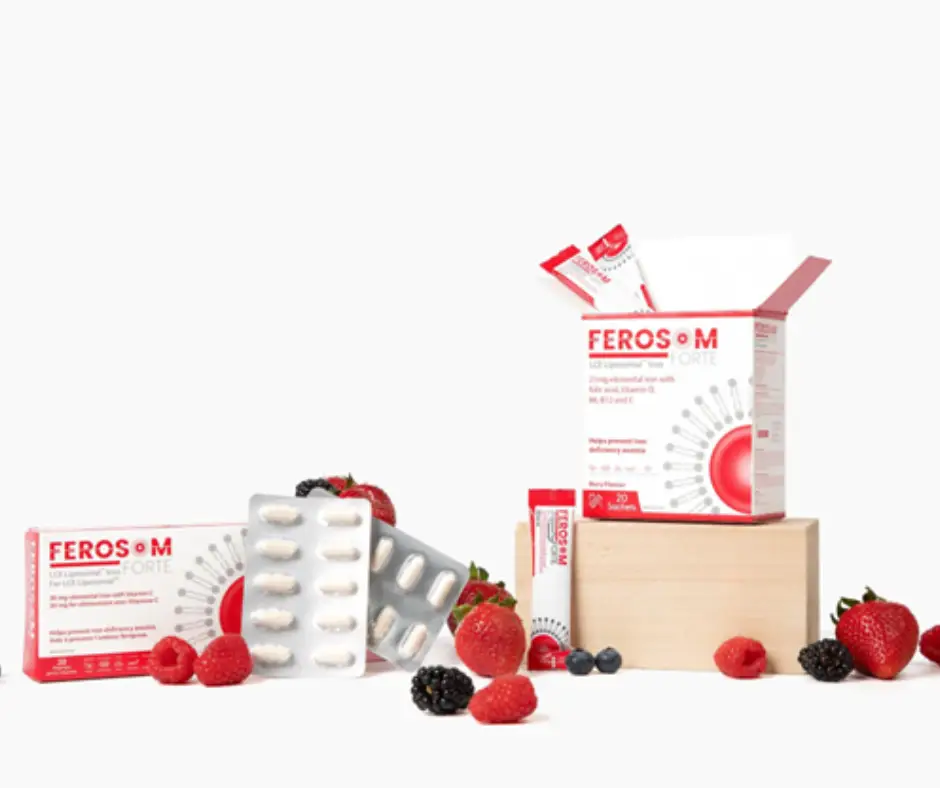
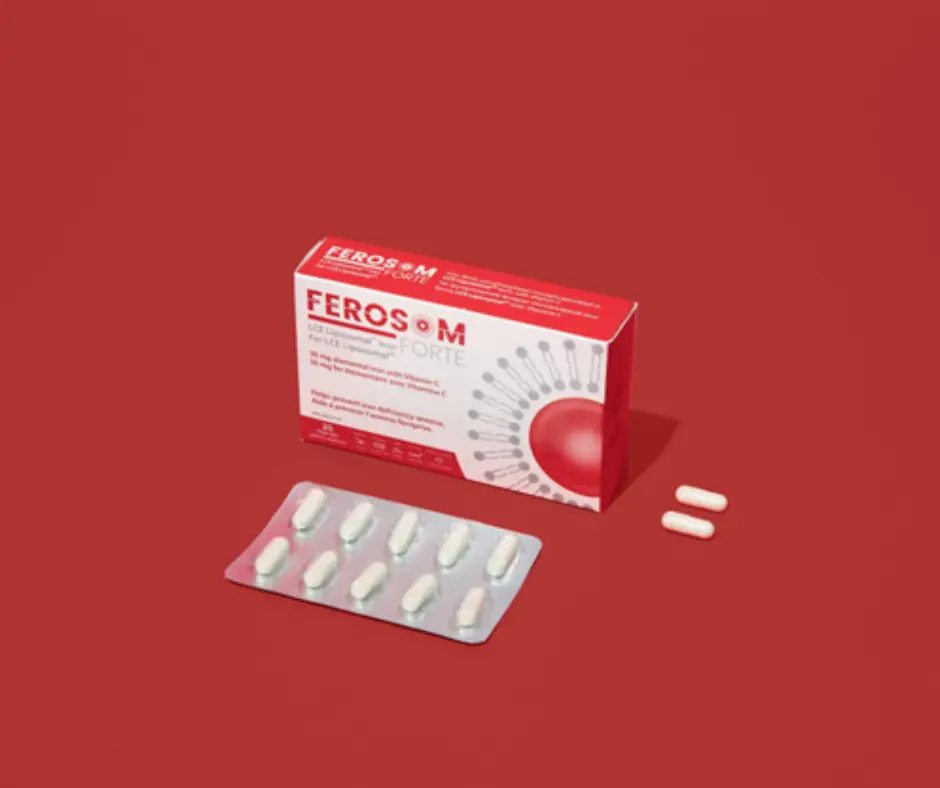
Ferosom Forte is a 100% gluten-free, vegan, halal, non-GMO and made in Canada liposomal iron supplement. Available in tasteless capsules or berry-flavouredsachets, it works for those with celiac disease while being gentle on the stomach and making compliance easier than ever. In fact, 88% of customers report a positive experience and good product tolerability.
With vitamin C already included, only one capsule/sachet needed daily and absorption is not impacted by foods/beverages with calcium or caffeine – you’ll finally find an iron supplement that you can stick with.
Laura, a Ferosom customer says, “I have celiac so it’s challenging to absorb iron supplements, especially without negative side effects. So far this product has increased my iron stores and hemoglobin without any uncomfortable side effects.”
Give Ferosom a try and use code CELIACCANADA at checkout for 20% off your first purchase.
Celiac disease doesn’t have to run the show.
Celiac disease can feel like an all-consuming condition. The symptoms can be painful and sometimes debilitating, and maintaining a gluten-free diet can be hard. However, our goal is to help you stay educated so you can advocate for what’s best for your health and feel your best!
Thank you to Ferosom Forte for submitting this blog content.