As many of you face the challenge of the rising cost of gluten-free food, imagine if you’re dependent on food banks to eat anything at all.
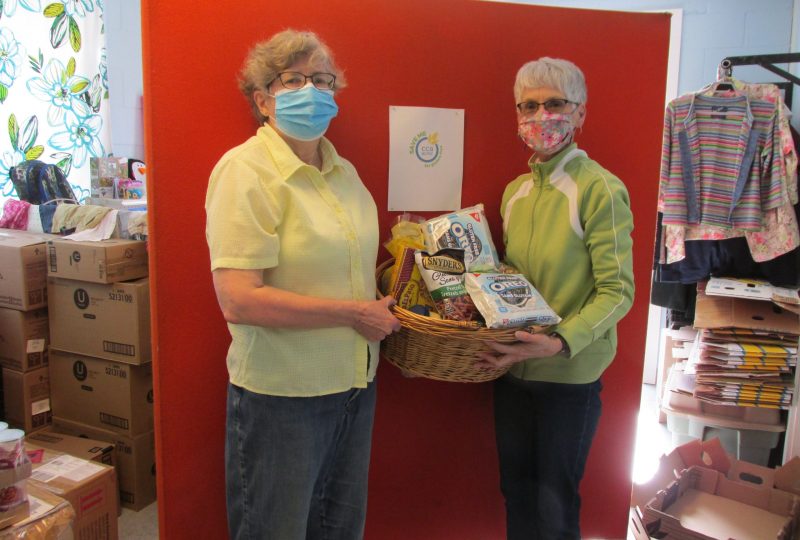
The CCA is building programs to educate food banks as part of the Save Me For Gluten Free program, sponsored by O’Doughs, where gluten-free food is put aside, only for those who need it.
We asked you to tell us your experiences finding gluten-free at food banks and discovered there’s a long way to go.
This true story is based on one reader’s experience and outlines the mountain needing to be climbed to find gf food on a low income. It’s a harsh, scary story. We’ll do all we can to change the scenario and your donations help us create viable solutions.
**************************************
I’m a 29-year-old female with biopsy-confirmed celiac disease (CD) who lives with my partner sharing approximately $1,300 of disability support per month for all bills and needs. I face many barriers to employment despite having a college diploma, multiple certificates, and some university education. In addition to celiac disease, I have Asperger’s (Autism), legal blindness, traumatic brain injury, and more from a motor vehicle accident.
I’m trapped in the cycle of chronic poverty which makes sticking to the gluten-free diet extremely difficult.
The food bank program in my community is on ten-day rotation, meaning you visit three different food banks ten days apart. Then repeat.
It’s hit and miss. I sometimes leave with nothing, other times a small gift card – which is actually the best possible outcome so I can shop for gluten free. Sadly, some staff act like I’m only after a gift card and don’t realize it’s because I can’t have other options. It’s often quite unfriendly. I still thank them and make them aware it’s likely all I’ll get for over a month because the other two food banks usually have nothing I can eat gluten free.
The second food bank coordinator is very nice, but I can tell she thinks celiac disease is just an intolerance or it’s a choice, like Keto or being vegetarian. I try to educate staff, that untreated CD causes organ damage, malnutrition, infertility, and can lead to various cancers. I made it clear many times that if it was only vomiting, I’d just eat the gluten. We all know that’s not the case.
The setup is they pick items for you, and wheel them to your vehicle. There’s no chance to trade an unusable item or read ingredients.
The third place is by far the least successful for getting anything gluten free. The setup is where all items are displayed like a store, costed with points and a volunteer must okay what you select. Basically anyone, celiac or not, can select a product, so the gluten-free often goes first because people assume it’s healthier, will help them lose weight, or it’s a premium product. I have had zero success explaining the GF products are the only items I can have. On my most recent visit, a volunteer whose husband had celiac told me to just grab what I could for the rest of my family so I had more money to spend on food for me. “There’s nothing here for you,” she explained.
The other problem with the points system is you are only allowed to use a set per section regardless if you’re not able to eat anything in the other sections. That means if you wanted two gluten-free items in the same section you can’t use your points for both. No matter trying to explain there’s nothing in the other sections you can eat.
I understand that gift cards aren’t available at every food bank. But I don’t understand why donate gluten-free items are not kept separate solely for the people who truly need gluten-free goods.
*****************************************************
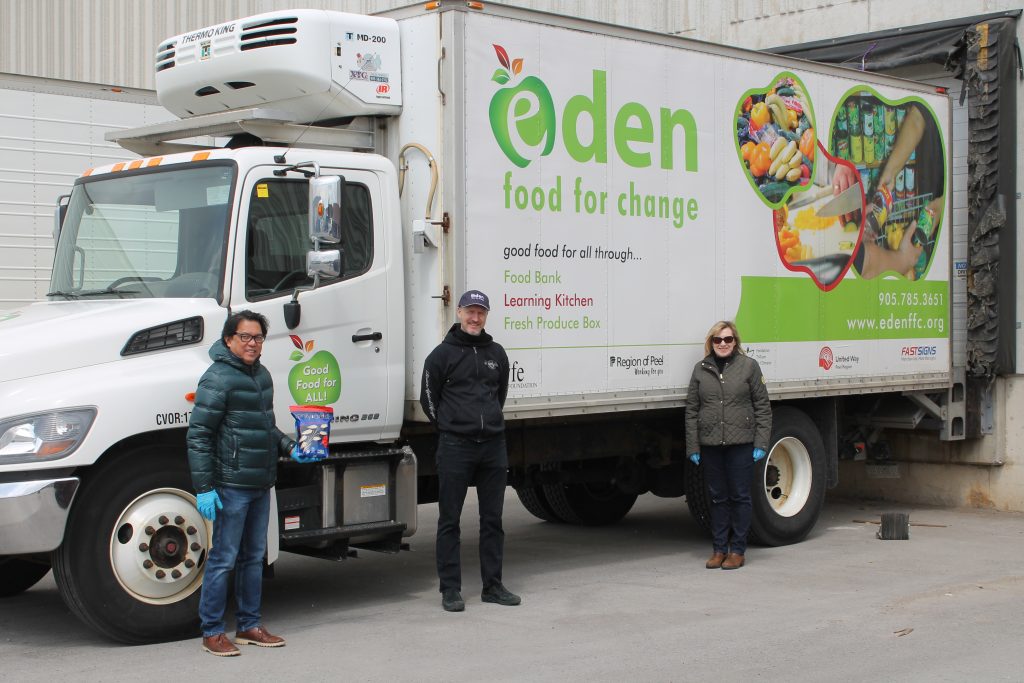
Celiac Canada recently visited a major food bank to see how we might build a program that specially caters gluten free. The problem is that demand is so high – the amount of food needed in a month today used to cover a whole year before Covid. Many food banks cannot meet demand so give whatever they have, gluten-free or not. Additionally, volunteers pack most food boxes and there simply aren’t the resources or the infrastructure to train people coming in for a few hours to navigate a gluten-free system.
If you’d like to donate to a food bank, check out whether they can keep things aside for those with celiac disease. Long-term, Celiac Canada’s goal is to work with food banks and manufacturers to secure a steady supply of product to one food bank in each major town or rural distribution point, so everyone is covered. We’re a long way from that now so any help or suggestions are gratefully received. Write to us at info@celiac.ca
HOW YOU CAN Help make a difference
• Volunteer with a local Celiac Canada Chapter and their local food bank initiatives
• Become a ‘Save Me for Gluten Free” ambassador at your local food bank.
• Donate GF Food:
• Donate to CCA: Support our Save Me for Gluten free initiative with a financial gift