Navigating Alcohol Choices with Celiac Disease: What’s Safe and What to Avoid
By Nicole Byrom, RD
For individuals with celiac disease, a gluten-free lifestyle isn’t a choice—it’s a necessity for maintaining good health and well-being. While much attention is often given to avoiding gluten in food, the topic of gluten in alcoholic beverages is also important. Let’s explore the world of alcohol and celiac disease to help you make informed choices and enjoy social occasions without compromising your health.
Understanding Gluten in Alcohol
Gluten sources must be declared when present in alcoholic beverages. Gluten, a protein found in wheat, barley, regular oats and rye, can sometimes find its way into alcoholic beverages through various ingredients and production processes. While distilled spirits like vodka, gin, and rum are considered safe for those with celiac disease due to the distillation process removing gluten, other alcoholic beverages may contain gluten.
Safe Choices for Those with Celiac Disease
Gluten-Free Beer: Thankfully, the demand for gluten-free options has led to the development of gluten-free beers made from ingredients like sorghum, rice, millet, and corn. These beers undergo rigorous testing to ensure they contain less than 20 parts per million (ppm) of gluten, the threshold for labeling a product as gluten free. Of special note: gluten-reduced or gluten-removed beers are NOT safe choices for someone with celiac disease.
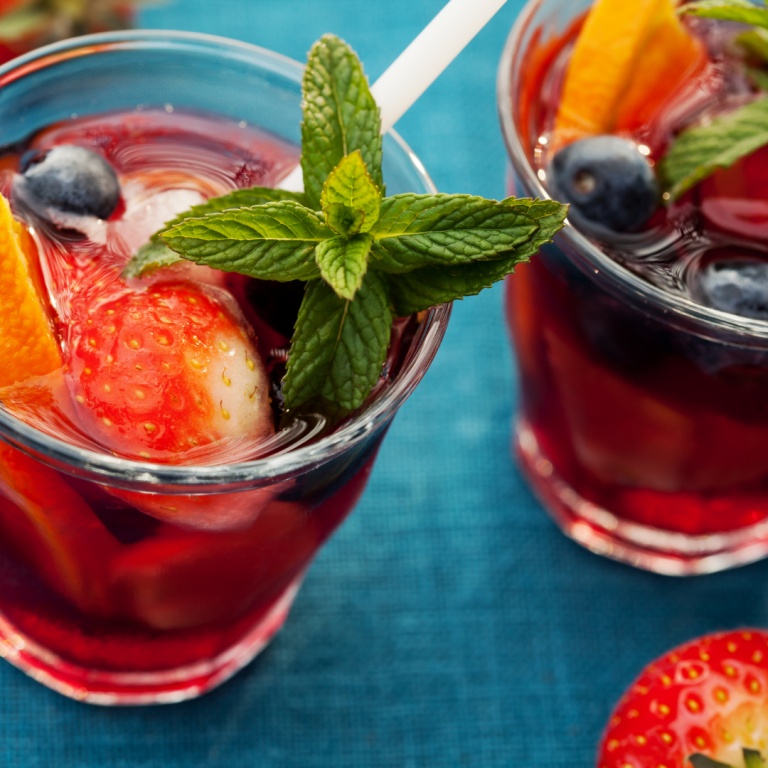
Wine: Wine, including red, white, and sparkling varieties, is naturally gluten-free and safe for those with celiac disease. However, it’s essential to be cautious of wine coolers, flavored wines, and wine-based cocktails, as they may contain added ingredients that could contain gluten. So, remember to read the ingredient list.
Cider: Hard cider made from apples or other gluten-free fruit is a safe option for individuals with celiac disease. Just be sure to check the label.
Distilled Spirits: Distilled spirits such as vodka, gin, rum, tequila, and brandy are considered safe for those with celiac disease, as the distillation process removes gluten proteins. However, flavored spirits and pre-mixed cocktails may contain added ingredients that could contain gluten, so it’s essential to check labels and ingredient lists.
Living with celiac disease doesn’t mean you have to forgo enjoying a social drink with friends or celebrating special occasions. By understanding which alcoholic beverages are safe and taking proactive steps to ensure your choices are gluten-free, you can savour your favorite drinks without compromising your health. Remember to always read labels, do your research, and advocate for yourself to make informed decisions about alcohol consumption. Cheers to a gluten-free lifestyle and a vibrant, thriving life!